Pressure gauges can become less accurate over time because of normal wear, environmental factors, or careless treatment. What's wrong? You may not see it at first until things go wrong.
Here are the most common signs that it's time to adjust your pressure gauge.
1. The Needle Does Not Move
While there is no pressure, the gauge should be right at zero.
If it doesn't get to zero, the gauge is certainly out of balance. It often happens after something has been shaken, put under a lot of pressure, or used for a long time.
2. The numbers were unexpected
If the pressure data looks different from how the system normally works, trust your gut. It's likely that the gauge is broken when the results are not steady or as predicted.
People can make mistakes and have process problems, even over small mistakes.
3. The needle moves in a choppy way or stops moving entirely
A healthy gauge tip moves easily when the pressure changes.
Adjustment is needed for making sure it is accurate if it sticks, jumps swiftly, or doesn't move at all.
6. A needle that shakes or isn't steady
The gauge may be worn out or have internal damage if the needle keeps shaking or flickering while the pressure stays the same. It can make it hard to believe readings and can hide real system problems.
7.It Needs to Be Calibrated Again
Time can change how accurate something is, even if it looks fine. Over time, pressure gauges automatically change. It's likely time to set up another test if you can't remember when the last one was.
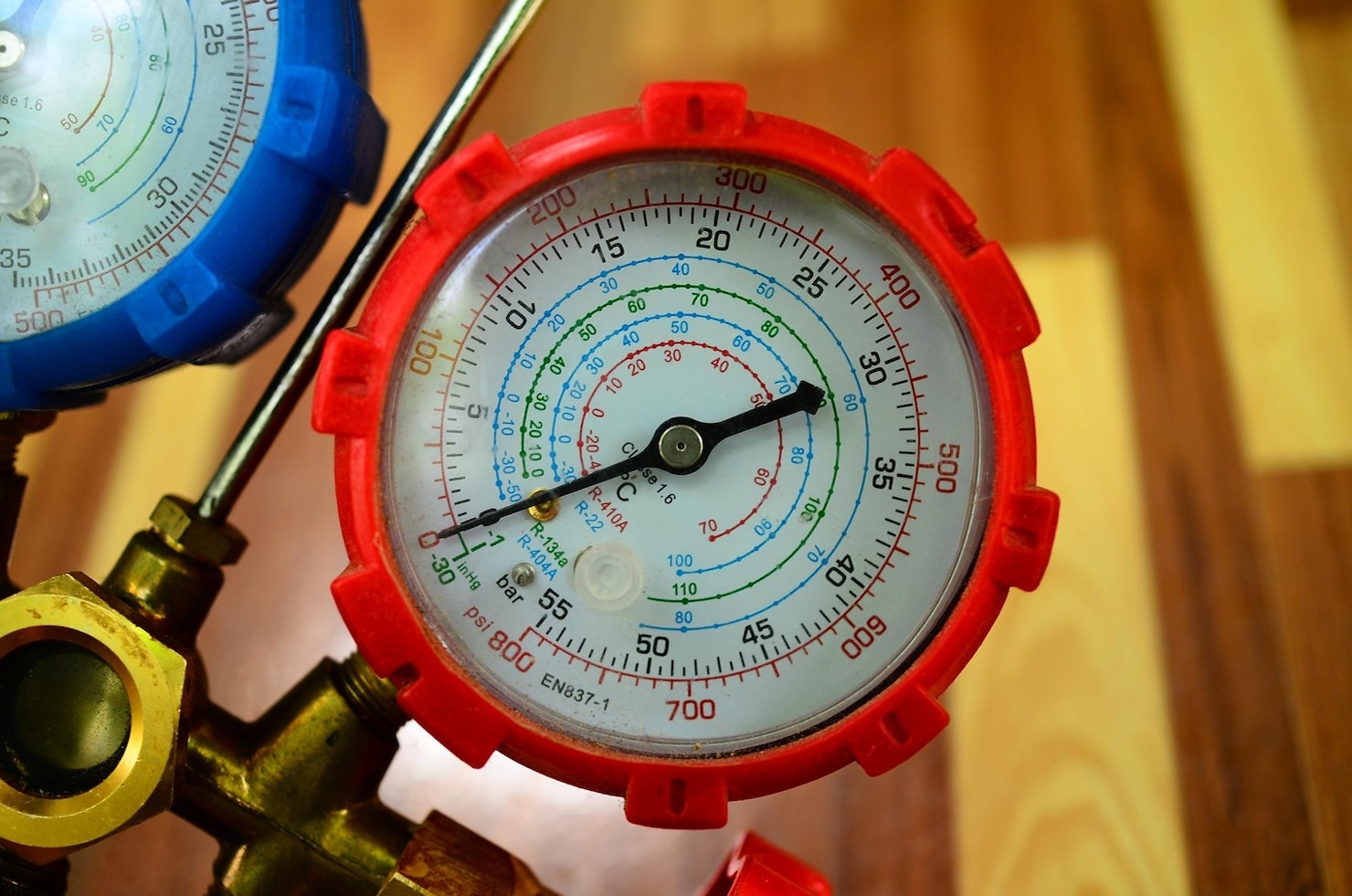
Why calibrating pressure gauges is so important
Pressure Calibration makes sure that your pressure gauge is reading properly by comparing it to accurate reference standards. Without being set up:
- The safety risks go up.
- Things can get broken.
- The product's quality might go down. Breaks that aren't planned can happen.
If you calibrate it often, you can be sure that your numbers are correct and that your system is working well and safely.
When should you calibrate your pressure gauge?
Most tools are adjusted once a year, but a number might need to be viewed more often, particularly if they are used all the time.
- Set up important processes.
- Exposed to high pressure or shaking
- Fixed or changed
It is always better to do preventive testing than to fix something after it breaks.
Conclusion
Pressure gauges are easy to forget about, but they can cause big problems if they give wrong numbers. You can keep things safe and avoid making expensive mistakes by paying attention to these warning signs.
If your pressure gauge shows any of these signs or is just overdue, having a professional calibrate it will make sure it works right, we are best pressure calibration laboratory in UAE trustworthy, and gives you peace of mind. For more updates, Contact us today.